How to Pressure Wash a Car at Home
Here is how to pressure wash a car at home: park in the shade and rinse from the top down with a wide fan nozzle. Then foam the car, wash it by hand if you want, rinse again from the top down and dry it with a clean towel.
On this page (7 sections)
The steps are simple, but the order matters. Soap that dries on paint can leave spots, and the wrong tip can hit the surface too hard.
This guide covers the kit, the washer setup, each step in order, drying and clean-up. It assumes your paint is in good shape, and chipped or peeling spots get a hand wash instead.
What you need before you start
Gather the kit before you plug anything in. Keep it within reach of the car, so you are not walking away from a foamed panel to look for a mitt.
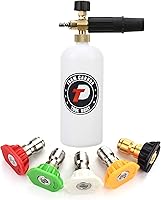
- A pressure washer with a 25 or 40 degree tip.
- Car wash soap, used as the label says.
- A foam cannon, which is the soap sprayer that fits onto the wand.
- A soft wash mitt.
- Clean microfiber towels for drying.
Then walk around the car in good light. Note any chips, peeling clear coat or loose flakes, and keep the spray off them for the whole wash.
For a closer look at the foaming step, see How to Use a Foam Cannon on a Car.
Set up the washer and pick the nozzle
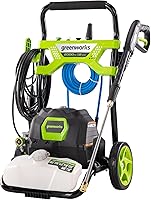
Set the washer on a flat, dry spot, and connect the water supply, hose, nozzle and power as the maker's manual shows. Check that the tip is seated firmly on the wand before you pull the trigger.
Many car washers choose a model in the 1,200 to 2,000 PSI class. For how those numbers compare, read Best PSI for Washing a Car.
Westinghouse sends the ePX3050 with three quick connect tips: a 15 degree, a 25 degree and a turbo tip. On paint, use the 25 degree tip, and keep the 15 degree and turbo tips off the car.
On the ePX3050, the hose is 20 feet long and the cord is 35 feet with a GFCI plug. Follow the manual for power, and keep the washer on a stable spot while you work.
Choose where to wash
Pick a level, shaded spot with room to walk around the whole car. Shade keeps soap from drying, and a level spot keeps the washer steady.
Keep the hose out of your walking path, and move the washer instead of stretching the hose tight.
How to pressure wash a car with the right nozzle
Start with a 25 or 40 degree fan nozzle on the body panels. Skip the 0 and 15 degree tips on paint, since they focus the spray into a narrow stream.
If your washer has a turbo tip, use it for heavy jobs away from the car, such as a driveway. Keep it off the paint.
How to pressure wash a car step by step
Work in the same order every time, from the top of the car to the bottom. Keep the spray moving, and let the soap do most of the lifting.
Step 1: Park in the shade and rinse from the top down
Park in the shade so water and soap do not dry on the paint. Rinse the roof first, then the windows, then the upper panels, and work down to the lower panels.
Keep the wand moving at a steady distance from the paint, and keep the spray off seams, trim edges, seals and emblems. If you find a chipped or loose spot, stop and leave it for the mitt.
Step 2: Foam the car and let the soap sit
Fill the foam cannon, whether it came with your washer or is an add-on, with car wash soap as the label says, then attach it to the wand. Cover each panel in an even coat, and work one side of the car at a time.
Let the foam sit for the time the soap label gives, but do not let it dry on the paint. If it starts to dry, rinse that section and foam it again.
If the foam comes out thin, see these fixes for a foam cannon that is not foaming.
Never mix chemicals in the cannon, and add nothing the soap label does not allow.
Step 3: Wash by hand, then clean the wheels last
Wash the car with a soft mitt, working from the top down and rinsing the mitt often. A clean mitt keeps the grit you just lifted from scratching the next panel.
Clean the wheels last, with a separate tool, because brake dust and road grime can scratch paint if the mitt picks it up. If you drop the mitt, rinse it well or switch to a clean one, since it picks up grit fast.
Machine wash the mitt after the job, as its care label says.
Step 4: Rinse again from the top down
Rinse the whole car again from the top down, and hold the wand farther back near trim and seals. Check the lower panels last, since soap collects there.
If you see soap in a seam, use a gentle sweep from a distance rather than a close blast. Then move on to drying while the car is still wet.
Drying and finishing
Dry the car as soon as the final rinse is done, so water does not dry in spots. Use a clean towel, and fold it so you always have a dry side for the next panel.
Each towel has a high pile side for soaking up water and a low pile side for buffing. Amazon Basics says the plush texture will not damage or dull surfaces.
Use one towel for the body panels, and a separate one for the lower panels and wheel areas. That keeps the grime from the bottom of the car away from paint you have already dried.
Walk around the car once more in good light. Look for soap left in the seams, water spots and any chip that looks bigger than before.
Clean-up and storage
Rinse the foam cannon and the wand with clean water after the wash, so the soap does not dry inside them. Store the hose and washer as the maker's manual says.
Wash the towels and mitt as their care labels say, and keep them clean and dry for the next wash. A short note on which tip and soap you used makes the next wash faster.
Mistakes to avoid
A few habits cause most of the trouble on a home wash, and each one is easy to avoid.
- Letting soap dry on the paint.
- Aiming the spray into gaps or at damaged paint.
- Using a 0 or 15 degree tip on paint.
- Washing in direct sun.
- Mixing chemicals, or adding anything to the cannon that the soap label does not allow.
- Washing the wheels first, so their grime moves onto the paint.
- Rushing the final rinse and leaving soap in the seams.
Most of the fixes come down to slowing down and keeping the wand moving. For more on paint, read Are Pressure Washers Safe for Car Paint?.
How to pressure wash a car: your plan for the next wash
Run the full routine when the car is properly dirty. On a light dust-off, a rinse and a foam may be enough, and chipped or loose spots still get a hand wash.
If you are still choosing a washer, compare options in Best Pressure Washers for Washing Cars at Home. For the whole picture, start with the Pressure Washer for Car: The Complete Home Wash Guide.
Frequently asked questions
What order do you wash a car in?
Rinse from the roof down, then foam, wash by hand if you want, rinse again from the top down and dry the car with a clean towel. Wash the wheels last with separate tools, so their grime stays off the paint, and keep the spray off chipped or loose spots.
Do you need to hand wash after foaming?
Not always, because foam loosens surface dirt and a thorough rinse can be enough on a lightly dirty car. A soft mitt gives you more control near trim and on stubborn spots, so use one there and on any area where the spray should stay away.
Should you wash a car in the sun?
Shade is better, because sun heats the panels and can dry soap and water before you rinse, which leaves spots. If you cannot avoid the sun, work one small section at a time, rinse each one right away, and wash early or late in the day when the panels are cooler.
How often should you pressure wash your car?
There is no schedule that fits every car, so wash when the car looks dirty or road grime builds up. Check the paint for chips and loose spots each time, and follow the car maker's care guide and the washer maker's instructions.